Clear Your Drains, Transform Your Life: The Value of Regular Drain Cleaning Services
Blocked drains can interrupt everyday routines and result in expensive fixes. Consistent drain cleaning solutions perform a critical part in sustaining household plumbing wellness. They both avoid clogs and minimize dangers related to mold and bacteria development. Residents commonly ignore the warning signs that suggest maintenance is required. Comprehending these warnings and the significance of specialized services can substantially influence household care. What aspects should residents examine before arranging their next maintenance visit?
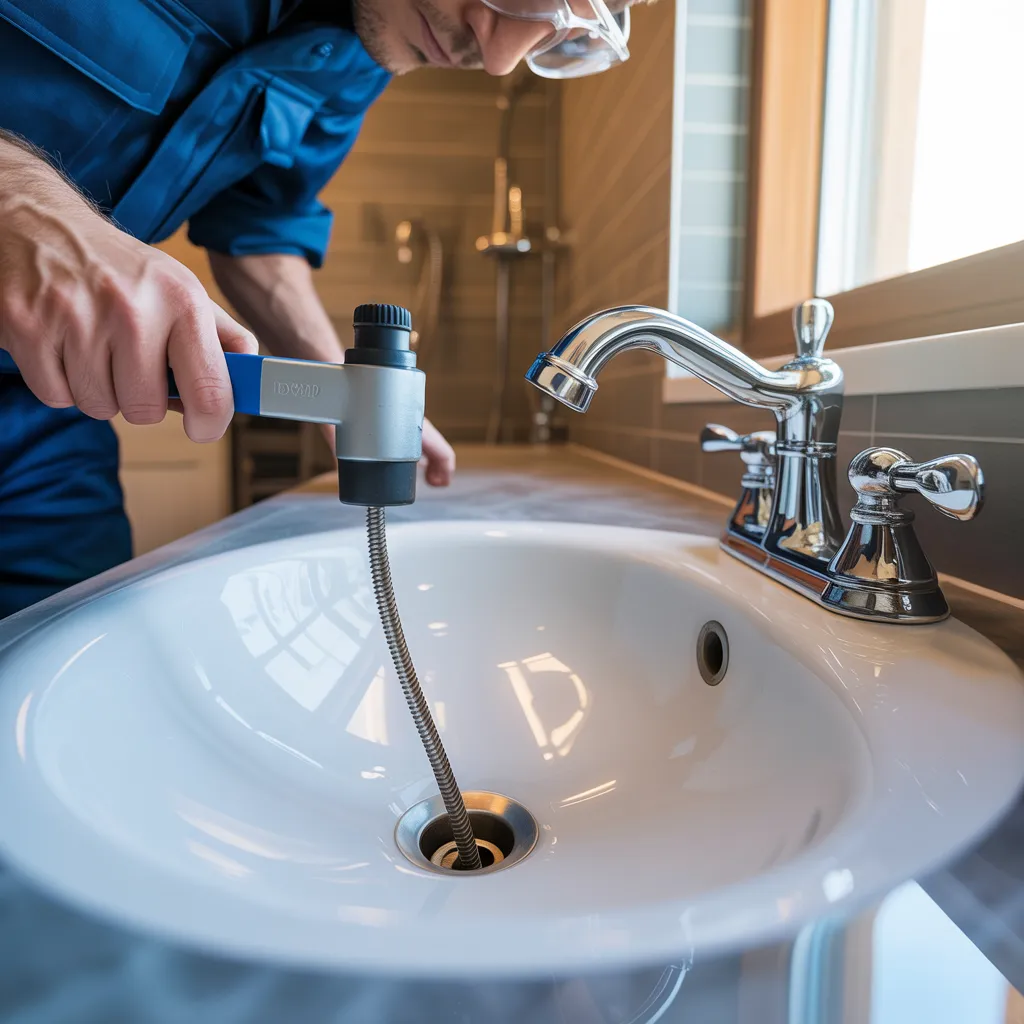
Why Consistent Drain Cleaning Is Vital for Your Home
While many homeowners comprehensive article may overlook the critical nature of regular drain cleaning, neglecting this crucial maintenance task can lead to major complications. Clogged drains can cause water backups, causing damage to plumbing systems and potential flooding. Over time, accumulation of debris, grease, and soap can restrict water flow, creating an environment ideal for mold and bacteria growth.
Regular drain cleaning not only helps to prevent clogs but also increases the lifespan of plumbing systems. It guarantees that waste flows smoothly, decreasing the risk of costly repairs. Additionally, clean drains promote a healthier home environment by reducing unpleasant odors and potential health hazards associated with stagnant water. For these reasons, investing in regular drain cleaning can save homeowners from the stress and expense of emergency plumbing issues, ultimately ensuring peace of mind and a well-maintained home.
Warning Signs Your Drains Need Cleaning Right Away
Homeowners should be attentive to several essential indicators that indicate their drains demand immediate cleaning. Slow draining water, foul smells, and repeated clogs are typical indicators that can point to underlying issues. Resolving these signs in a timely manner can help avoid more issues and maintain a sound plumbing system.
Water Draining Slowly
Water draining at a sluggish pace from bathtubs, sinks, or showers frequently indicates an urgent need for specialized drainage cleaning services. This concern typically arises from a buildup of residue, such as soap scum, hair, or food debris, obstructing the standard drainage of water. Residents may first observe the issue when water takes more time than normal to drain away, indicating that the drainage system is experiencing difficulty. When ignored, poor water flow can progress to more severe clogs, leading to potential damage and significant repair costs. Regular inspections can help detect these issues early, permitting timely interventions. In the end, identifying the symptoms of sluggish water drainage is crucial for sustaining the general condition of drainage systems and ensuring a properly working home environment.
Offensive Smells Arising
Foul smells coming from drains can be a definite sign that professional maintenance is necessary. These offensive aromas often signal the collection of organic matter, grease, or other debris trapped within the plumbing system. When these substances begin to decompose, they discharge offensive vapors that infiltrate the air, producing an uncomfortable environment. Homeowners may experience these odors especially in kitchens and bathrooms, where food waste and hygiene products accumulate. Overlooking these signs can bring about more severe plumbing issues, including stoppages and leaks. Routine drain cleaning not only removes these odors but also encourages better hygiene and general performance of the plumbing system. Addressing unpleasant smells promptly can avert further complications and guarantee a more pleasant home environment.
Frequent Clogs Taking Place Often
Regular clogs typically point to an immediate need for drain maintenance services. Property owners frequently face repeated clogs that interfere with everyday activities and cause annoyance. These obstructions might stem from collections of hair, fats, food remnants, or strange objects clogging the drains. Ignoring these issues can result in more severe plumbing problems, including leaks or complete blockages. Individuals should be attentive to slow drains or gurgling sounds, as these are common indicators that drains require immediate attention. Regular professional cleaning can effectively eliminate debris and prevent future clogs, ensuring smooth drainage and maintaining the overall health of plumbing systems. Addressing these signs promptly can save homeowners from costly repairs down the line.
Main Benefits of Employing Professional Drain Cleaning Services
Engaging professional drain cleaning services offers significant benefits for homeowners. By addressing potential plumbing issues early, these services help prevent costly repairs down the line. In addition, maintaining clean drains enhances improved hygiene standards within the home.
Prevent Pricey Plumbing Concerns
A lot of homeowners overlook the critical nature of regular drain maintenance, frequently resulting in significant plumbing troubles down the line. When drains are ignored, minor clogs can progress into major blockages, leading to costly repairs and considerable damage. Professional drain cleaning services can recognize and handle potential problems before they worsen, shielding homeowners from the financial burden of emergency plumbing services. These technicians utilize specialized tools and techniques to make certain drains are clear and functioning properly, thereby lowering the risk of leaks, backups, and other plumbing emergencies. Also, routine maintenance can increase the lifespan of plumbing systems, enabling homeowners to avoid premature replacements. Essentially, investing in professional drain cleaning services is a proactive measure that avoids expensive plumbing complications.
Elevate Residential Cleanliness Standards
Preserving a clean and hygienic home environment is vital for the health of its occupants. Professional drain cleaning services play an essential role in achieving this standard. Over time, drains gather debris, grease, and organic matter, creating ideal conditions for bacteria and mold growth. By enlisting experts, homeowners can ensure thorough cleaning that reaches deep into the plumbing system, eliminating hidden contaminants. Regular professional interventions not only boost hygiene but also improve indoor air quality, reducing health risks associated with poor sanitation. Moreover, these services prevent unpleasant odors, contributing to a more pleasant living space. Finally, investing in professional drain cleaning promotes a healthier home, supporting the safety and comfort of all who reside within.
Should You DIY Your Drain Cleaning?
When considering whether to tackle drain cleaning as a DIY project, it's important to weigh the potential benefits against the risks involved. From one perspective, DIY drain cleaning can help you save money and deliver immediate results. Homeowners may experience success through simple methods, such as working with a plunger or a mixture of baking soda and vinegar for minor clogs. However, the risks of attempting this task without proper knowledge can be considerable.
Poor techniques may lead to further blockages or even damage to plumbing systems. Moreover, harsh chemical cleaners can present health risks if not handled correctly. For stubborn or severe clogs, professional services are often more reliable and safer. In the end, while DIY can be tempting for minor issues, homeowners should thoroughly assess their skill level and the complexity of the problem before proceeding. Making an informed decision can prevent further costs and complications down the line.
How Frequently Should You Book Drain Cleaning?
How regularly should homeowners plan drain cleaning services to maintain proper plumbing health? Experts recommend that residential drain cleaning be performed at least once a year. This preventive strategy assists in stopping blockages and accumulation that may result in more serious plumbing problems. Homes with multiple occupants or older plumbing systems may benefit from more frequent cleanings, perhaps every six months.
Furthermore, key symptoms, including slow-draining sinks or repeated backup issues, indicate that property owners should seek professional services sooner rather than later. Changes in seasons can also affect drain performance; for example, substantial precipitation may necessitate additional attention to outdoor drainage systems.
Is Preventive Drain Maintenance Worth It?
Proactive drain maintenance remains invaluable for homeowners aiming to prevent costly plumbing emergencies. By scheduling periodic inspections and cleanings, property owners can discover potential issues before they escalate into significant problems. This proactive approach not only conserves money but also extends the lifespan of plumbing systems.
Clogs, buildup, and leaks are regular complications that can disturb daily life. Preventive maintenance mitigates these risks, guaranteeing that drains perform efficiently. Furthermore, it enhances the overall health of a household by reducing the likelihood of unpleasant smells and unsanitary conditions caused by stagnant water.
Allocating resources to preventive services also delivers peace of mind, knowing that skilled technicians are overseeing and resolving concerns in a timely manner. In the end, the advantages of preventive drain maintenance outweigh the costs, making it a smart choice for homeowners aiming to protect their plumbing systems against unanticipated challenges.
Selecting the Top Plumbing Service for Your Drain Problems
Choosing the right plumbing service for drain needs can greatly impact the effectiveness of preventive maintenance efforts. To begin, one should look for recommendations from trusted sources, including friends and family, to identify reputable services. Online reviews and ratings can provide valuable insights into customer experiences and satisfaction levels.
Following this, it is essential to check credentials. Licensed and insured plumbers not only provide compliance with local codes but also provide a safeguard against potential liability. Furthermore, ask about the range of services offered; a versatile plumbing service is better suited to handle diverse drain issues.
Price should also be taken into account, but it ought not to be the only deciding factor. Assessing quotes from several providers can help find reasonable pricing without affecting quality. Furthermore, effective communication and quick responses from the plumbing service can show their professionalism and emphasis on customer satisfaction.
Common Questions
What Are the Expenses Related to Drain Cleaning Services?
Costs for drain cleaning services typically fall between $100 to $300, depending on factors such as severity of blockage, location, and additional services needed. Homeowners should factor in these costs in their maintenance budgeting.
Can Drain Cleaning Prevent Future Plumbing Emergencies?
Absolutely, regular drain cleaning can stop future plumbing emergencies. By removing buildup and obstructions, it lowers the risk of clogs, leaks, and backups, consequently increasing the lifespan of your pipes and guaranteeing smoother operation.
What Is the Average Time for a Drain Cleaning Service?
A professional drain cleaning typically requires between one to two hours, contingent upon the severity of clogs and the intricacy of your plumbing. Skilled professionals can frequently finish the job quickly, minimizing disruption.
Are There Green Drain Cleaning Options on the Market?
Green drain cleaning alternatives are accessible. Such methods frequently incorporate natural ingredients, for example baking soda and vinegar, or biodegradable products, which effectively remove clogs while minimizing environmental impact and promoting safer home environments.
What Tools Are Used by Professionals for Drain Cleaning?
Experts generally employ tools such as hydro-jetters, drain snakes, and video inspection cameras. These equipment pieces reliably eliminate blockages, examine pipe conditions, and deliver efficient drainage, promoting long-term plumbing functionality and maintenance.